| Deshae Betts, IFBB Pro | Getting Started | 8 min read
Getting Started at the Gym: A Beginner's Guide
New to the gym? This guide covers everything from your first visit to building a routine that sticks — no experience required.
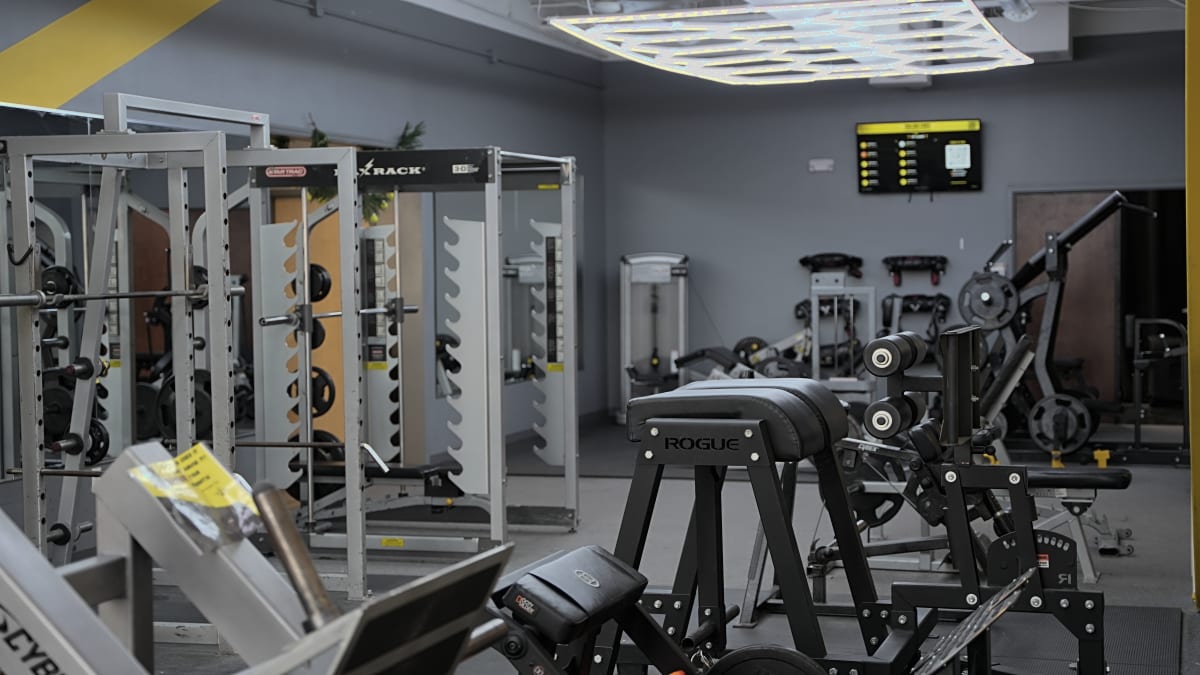
Starting at the gym is simpler than most people think. On day one, bring water and comfortable clothes, do 15-20 minutes of cardio, and try a few resistance machines at light weight. From there, build a 3-day-per-week full-body routine, increase weights gradually, and focus on consistency over intensity. The best beginner plan is one you’ll actually follow.
Everyone Starts Somewhere
Every person you see confidently working out in a gym was once a beginner who didn’t know what they were doing. The fittest person in the building had a first day where they felt out of place, unsure of the equipment, and worried about doing something wrong.
That’s normal. And it passes faster than you think.
This guide is for anyone who’s never set foot in a gym, or anyone who’s been away so long it feels like starting over. No jargon, no assumptions about what you already know — just practical advice to help you start and, more importantly, keep going.
Before Your First Visit
Choose the Right Gym
The gym you choose has a massive impact on whether you stick with it. Prioritize:
- Location — Close to home or work. If it’s more than 15 minutes away, you’ll find excuses.
- Hours — A gym with 24-hour access eliminates scheduling as a barrier.
- Atmosphere — Visit during the time you’d normally work out. Does it feel comfortable?
- Equipment — Are there enough machines, free weights, and cardio options for the crowd?
- Membership terms — Longer terms (12 or 24 months) usually get you a better monthly rate and keep you committed to showing up. Month-to-month is the safer choice if you’re unsure you’ll be living in the area long term.
For a complete breakdown, read our guide to gyms in Lee’s Summit.
What to Wear
Athletic shoes with flat or minimal cushioning (avoid thick running shoes for weight training), comfortable pants or shorts, and a t-shirt or tank. That’s it. Nobody is evaluating your outfit.
What to Bring
- Water bottle
- Small towel
- Headphones if you prefer your own music
- A lock for the locker room if your gym has lockers
Your First Day
Take a Tour
Most gyms offer a walkthrough for new members. Take it. Ask where things are:
- Free weights and squat racks
- Cable machines
- Cardio equipment
- Stretching area
- Restrooms and locker rooms
- Any rules about equipment use or time limits
Start With Cardio
If you’re overwhelmed on day one, start with 15-20 minutes on a treadmill, elliptical, or stationary bike. These machines are straightforward — you get on, set a speed or resistance, and go. This gets your blood moving and helps you feel like you accomplished something.
Try a Few Machines
Resistance machines are beginner-friendly because they guide your movement along a fixed path. You’re less likely to use bad form compared to free weights. Start with these basics:
- Chest press machine — Push forward, works chest and triceps
- Lat pulldown — Pull the bar down to your chest, works your back
- Leg press — Push the platform away with your legs
- Seated row — Pull toward your torso, works middle back
Use a light weight for your first time. The goal is to learn the movement, not to lift heavy. Read the instruction placard on each machine — they show you which muscles it works and how to position yourself.
Don’t Overthink It
Your first workout doesn’t need to be perfect. It just needs to happen. Twenty minutes of light cardio and trying a few machines is a successful first day. You can refine everything from there.
Building Your First Routine
After a week or two of getting familiar with the gym, start building structure.
The Beginner Template
A simple 3-day-per-week full-body routine is the best starting point for most beginners. This aligns with the CDC physical activity guidelines for adults, which recommend at least two days of muscle-strengthening activity per week alongside 150 minutes of moderate aerobic activity:
Day 1 (Monday)
- 5 min cardio warm-up
- Leg press: 3 sets of 12
- Chest press machine: 3 sets of 12
- Lat pulldown: 3 sets of 12
- Seated shoulder press: 3 sets of 12
- Plank: 3 sets of 20 seconds
Day 2 (Wednesday)
- 5 min cardio warm-up
- Goblet squat: 3 sets of 10
- Seated row: 3 sets of 12
- Dumbbell bench press: 3 sets of 10
- Leg curl machine: 3 sets of 12
- Bicycle crunches: 3 sets of 15
Day 3 (Friday)
- 5 min cardio warm-up
- Leg extension: 3 sets of 12
- Cable face pulls: 3 sets of 15
- Dumbbell shoulder press: 3 sets of 10
- Assisted dip or tricep pushdown: 3 sets of 12
- 10 min cardio cool-down
Start with weights that let you complete all reps with good form while feeling challenged on the last 2-3 reps. When you can complete all sets comfortably, increase the weight slightly. The ACSM’s exercise recommendations suggest beginners start with 1-3 sets of 8-12 repetitions per exercise, which is exactly the range this program uses.
Progressive Overload
This is the single most important principle in training: gradually increase the demand on your body over time. Add a small amount of weight, an extra rep, or an additional set every week or two. Without progressive overload, your body has no reason to adapt. Our complete guide to strength training for beginners breaks down how to apply it to each lift.
Common Beginner Mistakes
Doing Too Much Too Soon
The number one reason beginners quit is soreness from overdoing their first few sessions. Start lighter and shorter than you think you need to. You can always add more next week. You can’t undo three days of crippling soreness that makes you dread coming back.
Skipping the Warm-Up
Five minutes of light cardio before lifting dramatically reduces injury risk and improves performance. Don’t skip it.
Comparing Yourself to Others
The person squatting 300 pounds has been training for years. Your job is to be better than you were last week, not better than the person next to you.
Program Hopping
Pick a routine and stick with it for at least 8-12 weeks before changing anything. Constantly switching programs prevents you from tracking progress and building the consistency that drives results.
Neglecting Recovery
Muscles grow during rest, not during workouts. Sleep 7-8 hours, eat adequate protein, drink enough water, and take rest days. Recovery isn’t laziness — it’s where the results actually happen.
When to Consider a Personal Trainer
If you’re unsure about form, feeling stuck, or just want a faster path to results, personal training is worth considering. Even 4-6 sessions can teach you fundamentals that serve you for years.
At Total Body Fitness, we offer free training consultations — no commitment, just a conversation about your goals.
Tracking Your Progress
InBody Scans
A scale tells you one number. An InBody scan tells you your muscle mass, body fat percentage, water balance, and segmental lean analysis. This data shows you what’s actually changing — even when the scale doesn’t move.
At Total Body Fitness, InBody scans are available to all members — ask the front desk to get your baseline scan.
Workout Log
Write down your exercises, weights, sets, and reps each session. This simple habit lets you see your progress over weeks and months. Use a notes app or a small notebook — it doesn’t need to be complicated.
Frequently Asked Questions
What should I bring to the gym?
A water bottle, a small towel, headphones if you prefer your own music, and a lock for the locker room. Wear athletic shoes with flat or minimal cushioning (thick running shoes aren’t ideal for weight training) and comfortable workout clothes. You don’t need anything fancy — just the basics to stay hydrated and comfortable.
How long should a beginner work out?
Aim for 30-45 minutes per session, including a 5-minute warm-up. Beginners don’t need long workouts to see results — quality and consistency matter far more than duration. As your fitness improves and your body adapts, you can gradually extend sessions to 45-60 minutes if your goals require it.
How many days a week should a beginner go to the gym?
Three days per week is the sweet spot for most beginners. A Monday-Wednesday-Friday full-body routine gives you adequate stimulus for muscle growth while allowing proper recovery between sessions. The CDC recommends at least two days of muscle-strengthening activity per week, so three days puts you ahead of the minimum from the start.
Do I need a personal trainer as a beginner?
You don’t strictly need one, but even 4-6 sessions can teach you proper form and fundamental movement patterns that serve you for years. A trainer also helps you avoid the most common beginner mistakes — doing too much too soon, using poor form, and program-hopping. At Total Body Fitness, we offer free training consultations so you can discuss your goals before committing to anything.
Start Today
The best workout program is the one you’ll actually do. Don’t wait for the perfect plan, the perfect schedule, or the perfect level of motivation. Start with what you have, stay consistent, and build from there.
Try us for $5 — 3 full days, full access, no commitment. Or view membership options. Call us at (816) 403-4910 with any questions. We’re open 24/7 — your first day can be today.
Related Reading
More for your first few weeks at the gym:
- The Complete Guide to Gyms in Lee’s Summit — how to evaluate any facility
- Personal Training in Lee’s Summit: Complete Guide — if you want expert help from the start
- Take a tour of our facility — the equipment and amenities you’ll see on day one
- Meet our trainers — the people who can help if you want hands-on guidance
- Simple pricing options — month-to-month and commitment plans
Written by Deshae Betts, IFBB Pro and owner of Total Body Fitness in Lee’s Summit, MO. She coaches athletes from first-time gym members to competitive bodybuilders and holds certifications in personal training and nutrition.