
| Deshae Betts, IFBB Pro | Personal Training | 6 min read
What to Expect at Your First Personal Training Session
Your first session with a personal trainer can feel intimidating. Here's exactly what happens so you can walk in confident and prepared.
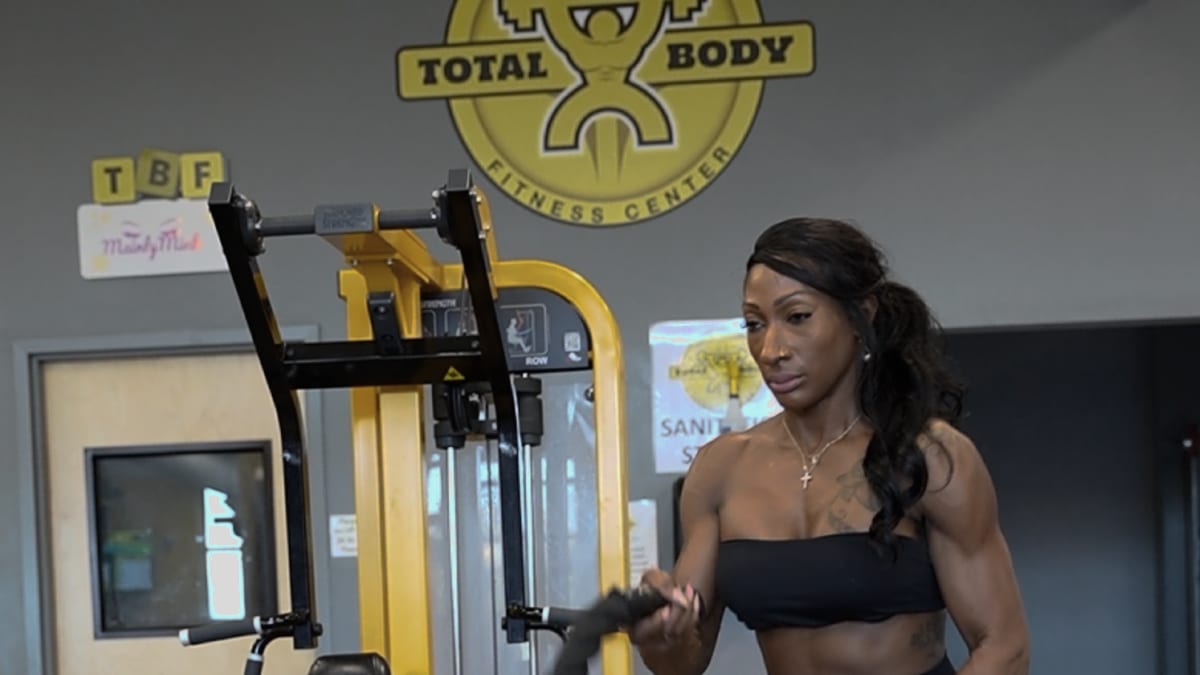
Your first personal training session is an assessment, not a punishment workout. A good trainer will spend the first 10-15 minutes discussing your goals, exercise history, and any health conditions, then perform a basic movement screening to see how your body moves. You’ll finish with a light introductory workout at moderate intensity — the goal is for you to experience your trainer’s coaching style and leave feeling confident, not crushed.
It’s Normal to Be Nervous
If you’ve never worked with a personal trainer before, the first session can feel like a big deal. You might worry about being judged for your fitness level, not knowing what equipment to use, or being pushed beyond your limits on day one.
Here’s the truth: a good trainer’s first session is designed to understand where you are, not to break you down. It’s an assessment, a conversation, and a starting point — not a test you can fail. The ACE guidelines on first training sessions describe essentially the same process we follow.
Before You Show Up
What to Wear
Comfortable workout clothes and athletic shoes. Nothing special. Avoid jeans, sandals, or anything that restricts movement. You’ll be asked to do basic movements like squats, lunges, and reaches.
What to Eat
Have a light meal or snack 1-2 hours before. Don’t come on a full stomach, but don’t come starving either. A banana, some toast with peanut butter, or a small protein bar works.
What to Bring
Water bottle, a towel if you want one, and any relevant medical information. If you have a doctor’s note about exercise restrictions, bring it. If you’ve been doing physical therapy, mention it.
The Session Itself
Step 1: The Conversation (10-15 minutes)
Your trainer will sit down with you and ask questions:
- What are your goals? Weight loss, muscle gain, general fitness, competition prep, injury rehab?
- What’s your exercise history? Complete beginner, former athlete, on-and-off gym goer?
- Any injuries or health conditions? Past surgeries, chronic pain, blood pressure issues, diabetes? (This aligns with the ACSM pre-participation screening guidelines that trainers follow.)
- What’s your schedule like? How many days per week can you realistically train?
- What have you tried before? What worked, what didn’t, and why did you stop?
Be honest. Your trainer isn’t judging you — they need accurate information to build a program that actually works for your situation.
Step 2: Movement Assessment (10-15 minutes)
Your trainer will ask you to perform a series of basic movements:
- Bodyweight squat — Checking knee tracking, hip mobility, ankle flexibility
- Overhead reach — Shoulder mobility and upper back tightness
- Single-leg balance — Stability and any left-right imbalances
- Hip hinge — Hamstring flexibility and lower back positioning
- Push-up or modified push-up — Upper body baseline strength
This isn’t a workout — it’s a diagnostic. Your trainer is looking at how your body moves so they can design exercises that work with your mechanics, not against them.
Step 3: Baseline Measurements (5-10 minutes)
Depending on the gym, this might include:
- Weight and body composition — An InBody scan gives precise muscle mass, body fat, and water balance readings. This is far more useful than a scale number alone.
- Key body measurements — Waist, hips, arms, chest
- Simple strength tests — How much can you comfortably press, pull, or squat?
These baselines matter because you’ll compare against them in 4-8 weeks to see objective progress — even when the mirror and scale don’t tell the full story.
Step 4: Light Workout (15-20 minutes)
Most trainers will run you through a shortened workout to gauge your capacity. Expect:
- A brief warm-up (5 minutes of light cardio or dynamic stretching)
- 3-5 exercises at moderate intensity
- Focus on form instruction, not pushing to failure
- A cool-down and brief stretch
You should leave feeling like you did something, but not destroyed. The goal is to experience how your trainer coaches, not to set any records.
Step 5: The Plan (5-10 minutes)
Your trainer will outline:
- Recommended training frequency — Usually 2-4 sessions per week
- Program structure — What types of exercises you’ll focus on
- Timeline — Realistic expectations for when you’ll start seeing results
- Next steps — When to schedule your next session, any homework (like tracking food or practicing a movement)
What a First Session Is NOT
- Not a test — There’s no passing or failing
- Not a punishment workout — Any trainer who destroys you on day one is prioritizing their ego over your progress
- Not a commitment — One session doesn’t obligate you to buy a package
- Not embarrassing — Trainers work with every fitness level. Your starting point is irrelevant; your willingness to show up is what matters.
Red Flags to Watch For
Not every trainer is a good fit. Watch out for:
- No assessment — They jump straight into a hard workout without asking about your history or goals
- Cookie-cutter programming — They give you the same workout they give everyone else
- No form correction — They count reps but don’t coach movement
- Pressure to buy immediately — A good trainer lets the session speak for itself
Frequently Asked Questions
What happens at a first personal training session?
A first session typically lasts 45-60 minutes and includes a goal-setting conversation, health history review, basic movement assessment (bodyweight squats, overhead reaches, single-leg balance), and a light introductory workout with 3-5 exercises. The trainer is evaluating how your body moves so they can design a program that works with your mechanics. You won’t be pushed to failure or asked to do anything beyond your current ability.
Should I eat before a personal training session?
Yes, have a light meal or snack 1-2 hours before your session. A banana, toast with peanut butter, or a small protein bar are all solid choices. Training on a completely empty stomach can leave you lightheaded during movement assessments, while a heavy meal will make you uncomfortable during exercises. Water is important too — hydrate throughout the day leading up to your session.
How do I prepare for my first training session?
Wear comfortable athletic clothing and closed-toe athletic shoes that allow free movement. Bring a water bottle and any relevant medical information such as doctor’s notes about exercise restrictions or physical therapy history. Most importantly, come prepared to be honest about your goals, experience level, and any injuries — your trainer needs accurate information to build a program that actually works.
Will my first training session be hard?
No. A responsible trainer designs your first session to assess your current ability, not test your limits. You should leave feeling like you did something productive but not demolished. Any trainer who pushes you to exhaustion on day one is prioritizing their ego over your safety and long-term progress. At Total Body Fitness, first consultations are free and focused entirely on understanding your goals and building a plan.
Book Your First Session
At Total Body Fitness, your first consultation is about understanding your goals and building a plan — not a sales pitch. Our trainers specialize in everything from general fitness to IFBB competition prep.
Schedule a free consultation or call (816) 403-4910.
For a full overview of personal training options in the area, read our complete guide to personal training in Lee’s Summit.
Written by Deshae Betts, IFBB Pro and owner of Total Body Fitness in Lee’s Summit, MO. She coaches athletes from first-time gym members to competitive bodybuilders and holds certifications in personal training and nutrition.


